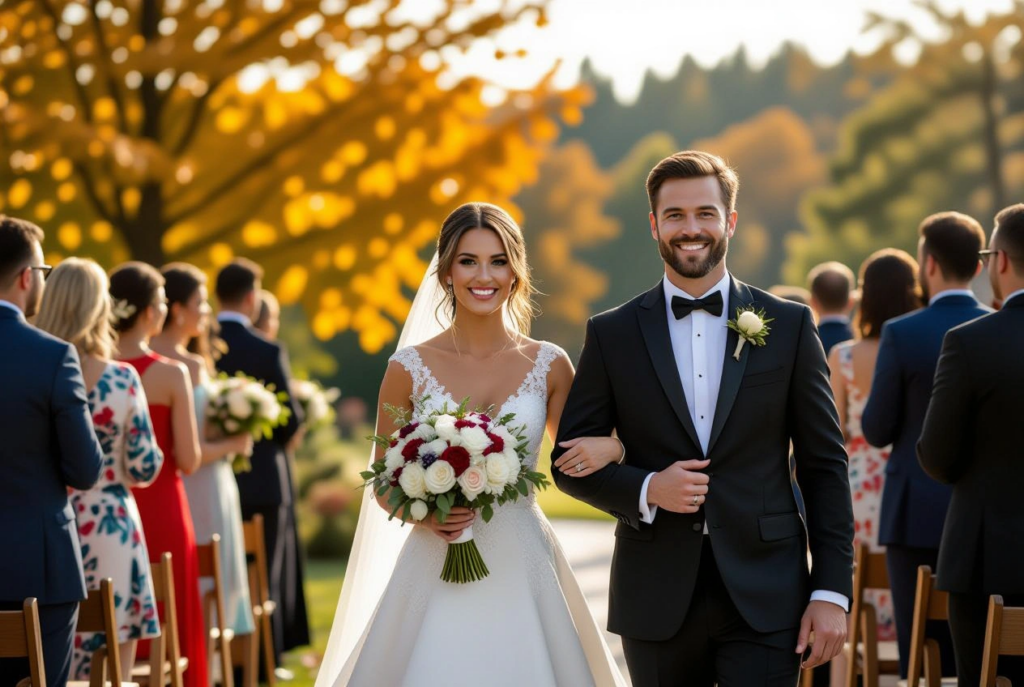
Wedding photography: Capturing timeless moments in an evolving landscape
Photographing a wedding is about more than taking photos; it’s also about artistically documenting one life’s biggest milestones. The industry is continuing to evolve as we move towards the end of 2024, and then 2025. It combines classic romance, cutting-edge technologies, and changing artistic styles. The choice of photographer for couples is crucial, and professionals must stay on top of the latest trends to be successful.
The latest trends and innovations in wedding photography (2024-2025).
Wedding photography has evolved over the years, and there are several trends that have shaped how wedding memories are preserved.
- AI Workflow Enhancements: AI Tools will be indispensable to photographers by 2024. AI streamlines the post-production process, from intelligent culling to color grading, advanced retouching, and even creating unique creative effects.
- Packages Hybrid Photo/Video: Demand for seamless integration between photography and videography is growing. Couples are now looking for photographers that can provide both cinematic highlights and stunning images. This usually involves either photographers who are skilled in both media or teams that work together.
- Documentary Style, Authentic Storytelling Although posed photos are still important, a shift is occurring towards candid documentary photography. Couples want images that capture the true story of their wedding day. They are looking for candid shots, spontaneous moments and the atmosphere of the celebration.
- Sustainability Practices: As environmental awareness increases, wedding photography that is sustainable gains traction. Photographers can reduce travel by using eco-friendly options for printing, support local vendors and offer digital-first packages.
- Drone Videography and Photography: The latest advances in drone technology have made aerial photography more affordable and stunning. Couples increasingly request unique perspectives, including grand entrances and group photos, to add a cinematic feel to their wedding albums.
- Pre-and Post-Wedding Shoots: In addition to the actual wedding, couples are increasingly expressing their story through engagements, lifestyle shoots, “trash-the-dress” and adventure sessions.
- Dominance of Mirrorless Cameras and Performance in Low Light: The professional market continues to be dominated by mirrorless cameras, which offer superior autofocus and silent shooting capabilities, as well as exceptional low light performance. It allows for stunning photos to be captured in difficult lighting situations, such as dimly-lit receptions or twilight ceremony, and with more precision.
Choosing Your Wedding Photographer: A Guide for Couples
The choice of photographer for your wedding is one of most important decisions you will make. Consider these factors:
- Examine Portfolios Intensively: Go beyond the highlights. Ask for full wedding galleries to evaluate consistency, style and the ability to tell a story.
- Make sure their style matches your vision: Are you looking for classic, photojournalistic or artistic photography, or something in between? Make sure the aesthetic of your photographer matches exactly how you want to have it documented.
- Communication and personality are important: Your photographer will spend much time with you. Select someone with a personality that you like, who is attentive to your requirements, and makes you comfortable.
- Understanding the contract and deliverables: Clarify your package, including what is included: hours of shooting, second shooter (if applicable), digital files, album, print rights and turnaround time.
- Read Reviews and Testimonials Find out about their professionalism, handling of unexpected situations and client satisfaction.
- Talk about Backup Plans. Ask them what their plans are in case of equipment failures, sickness, or any other unforeseeable circumstances.
Expert Advice on Wedding Photography
Continuous growth is vital for photographers who want to succeed in the wedding business.
- Be able to handle a variety of lighting conditions: From the bright sun at midday to dimly-lit receptions, it is important to be able to adapt to and succeed in any situation. Spend money on quality equipment for lighting and do a lot of practice.
- Build Strong Client Communications: A clear, empathic communication will build trust and manage expectations. Listen to your client and help them through the entire process.
- Use robust backup strategies: For every wedding, always have backup equipment (cameras and lenses), as well as a data backup workflow that is meticulous (off-site or cloud).
- Improve Your Post-Processing workflow: Editing efficiency is key. Use smart software tools, AI, presets and other AI-based features to ensure consistency.
- Learning is continuous and adapting to changes: Industry evolves quickly. Attend workshops, learn from industry leaders, try new techniques and keep up with the latest trends and technology.
- Create Your Brand Identity and Build Your Network: Establish a distinct brand identity. Connect with other vendors, such as planners, florists or venues, and ask for testimonials.
Wedding photography aims to capture the love stories of couples. If you’re planning your wedding or if you work as a photographer, it is important to embrace current trends and still honor timeless art. This will help preserve these memories for future generations.
General Recommendations
Visit the following sites for more information and resources on wedding photography, as well as general photography.
- PetaPixel : Leading online resource for news, reviews and tutorials on photography.
- SLR lounge: Provides extensive educational content and workshops for photographers.
- The Knot : Offers extensive resources for wedding planning, such as advice on selecting vendors.